Asian Currencies Fall as Iran Tensions Weigh on Markets
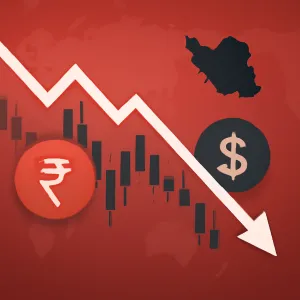
Regional currencies, including the Indian rupee, decline sharply due to escalating tensions in Iran, causing investors to adopt a cautious stance.


Traders are pulling back on short positions in the New Zealand dollar as economic indicators point to stability, reflecting a cautious shift in market outlook.
Bank of America expects a slight rise in the yuan's value following the recent Trump-Xi summit, enhancing market confidence in U.S.-China trade relations.
Bank of America has indicated that the Kazakhstan tenge is overvalued by 1-1.5% due to seasonal risks affecting its market performance and stability.
UBS analysts predict the South Korean won will strengthen against the U.S. dollar due to favorable balance of payments and current account surpluses.
Asian currencies weaken due to fading optimism on Iran peace talks, while China's inflation surprises to the upside, potentially shifting monetary policy.
Goldman Sachs has raised its yuan forecasts, driven by strong export performance and optimism in China's trade dynamics, impacting global market trends.